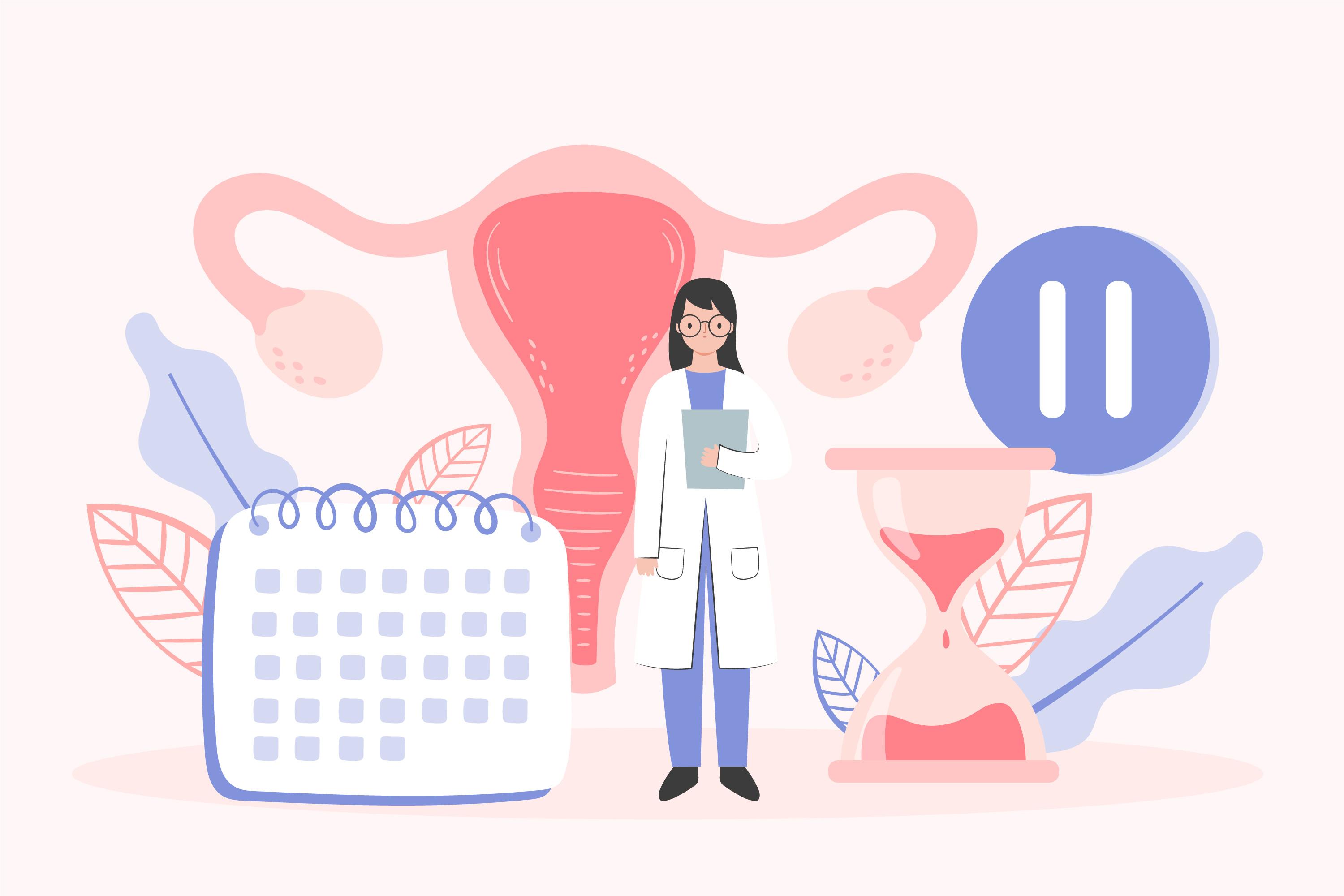
Reproductive Health
What is Reproductive health?
Reproductive health refers to the complete physical, mental, and social well-being in all matters relating to the reproductive system at all stages of life — not just the absence of disease or infirmity.
For women, this means:
Having access to safe, effective, affordable, and acceptable methods of fertility regulation
Access to appropriate healthcare services for safe pregnancy and childbirth
The right to make decisions about reproduction free of discrimination, coercion, or violence
Key Aspects of Women’s Reproductive Health
Menstrual Health
Understanding the menstrual cycle
Access to hygiene products and facilities
Awareness about irregularities and when to seek medical help
Fighting menstrual stigma and promoting menstrual equity
Sexual Health and Contraception
Access to contraception (birth control pills, condoms, IUDs, implants, etc.)
Counseling on family planning and safe sex
Prevention of sexually transmitted infections (STIs), including HIV
Right to consent and bodily autonomy
Pregnancy and Maternal Health
Access to prenatal, delivery, and postnatal care
Screening for complications like preeclampsia, gestational diabetes, etc.
Safe abortion services (where legal)
Education on breastfeeding and infant care
Fertility and Infertility
Understanding ovulation, fertility windows
Support for those facing infertility (medical and psychological)
Access to fertility treatments (e.g. IVF, hormonal therapy)
Menopause and Aging
Education about menopause and its effects (hot flashes, mood changes, etc.)
Access to hormone replacement therapy (HRT) and support
Sexual health during and after menopause
Prevention and Screening
Regular gynecological checkups
Pap smear tests (for cervical cancer)
HPV vaccination
Breast exams and mammography
Rights-Based Approach to Reproductive Health
Every woman has the right to:
Make informed decisions about her reproductive health
Access quality reproductive health services without discrimination
Protection from harmful practices (e.g. forced sterilization, child marriage, FGM)
Privacy and confidentiality
Barriers Women Face
Lack of education or access to accurate information
Stigma and taboos
Poor access to healthcare facilities in rural or conflict zones
Gender-based violence and reproductive coercion
Economic dependence or limited decision-making power
Why Reproductive Health Matters
It's essential for gender equality
It supports healthy families and communities
It reduces maternal mortality and morbidity
It promotes dignity, autonomy, and well-being of women
Resources & Support
Local women’s health clinics and OB/GYNs
Family planning centers
NGOs focused on women's health and rights
UNFPA, WHO, and other global health agencies