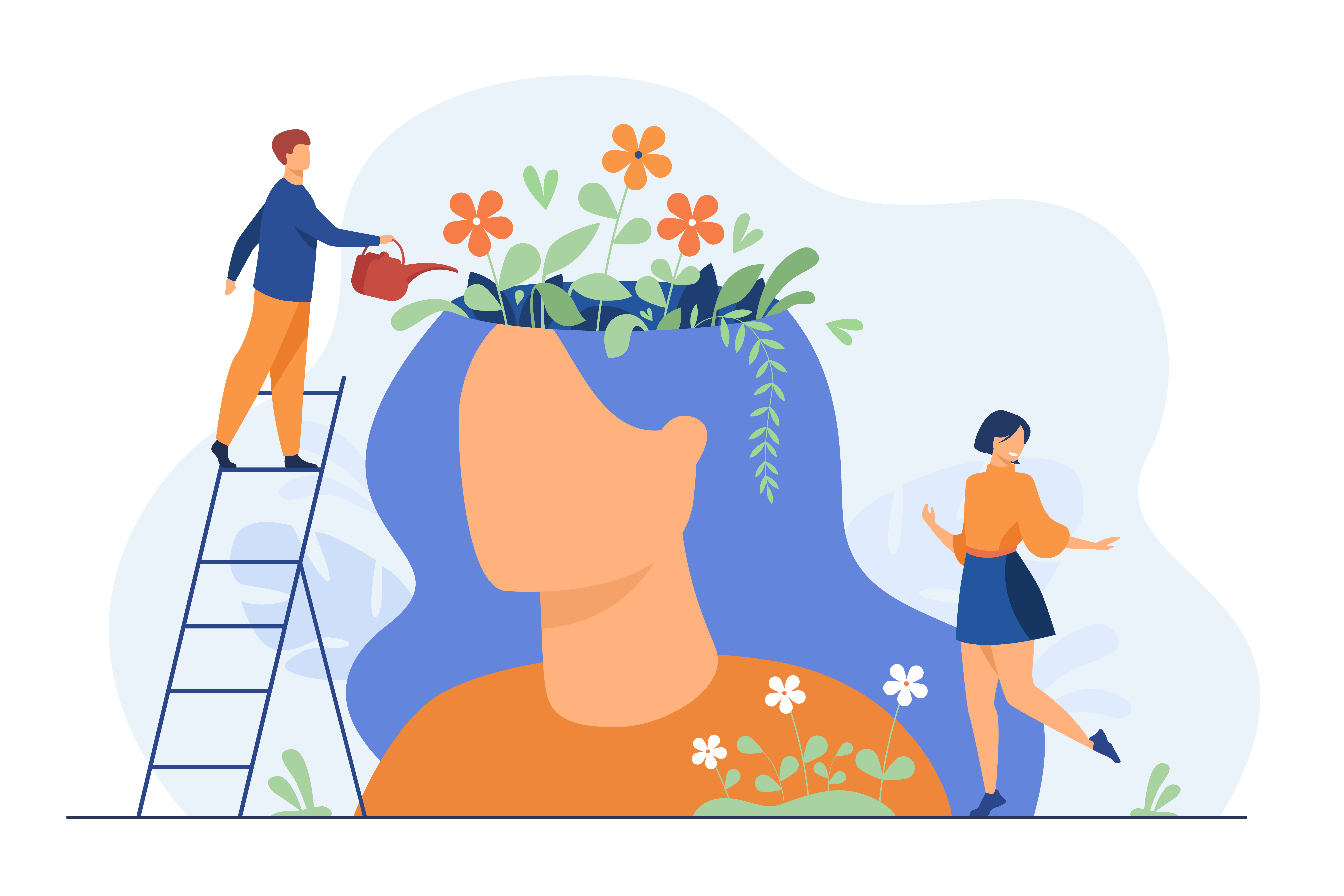
Women's Mental Health
Mental well-being as the foundation of a healthy and fulfilling life
The Importance of Mental Health
Mental health is an essential component of overall well-being. It includes emotional, cognitive, and behavioral balance, helping individuals cope with stress, make decisions, function at work, and participate in community life.
For women, mental health holds particular significance due to multiple layers of pressure, including social expectations, gender discrimination, family and workplace responsibilities, and other systemic challenges.
Possible Signs of Mental Health Concerns
The following symptoms may indicate the need to pay attention to one’s mental and emotional state:
Persistent feelings of exhaustion, fatigue, or low energy
Sleep disturbances—insomnia or excessive sleep
Appetite changes—either loss of appetite or overeating
Loss of interest in previously enjoyable activities
Tendency to isolate from social interactions and relationships
Frequent feelings of anxiety, fear, hopelessness, or low self-worth
Emotional instability or frequent outbursts of anger
Physical symptoms without a clear medical cause (e.g., headaches, palpitations, digestive issues)
Tips for Supporting Mental Well-being
Consistent small actions can significantly contribute to mental stability and resilience:
Create and maintain daily routines, especially consistent sleep and wake times
Identify and reduce sources of stress, and practice techniques such as breathing exercises or meditation
Limit exposure to negative or overwhelming news and social media content
Stay physically active—even light daily movement or walking is beneficial
Engage in creative activities such as art, music, or writing
Maintain social connections with supportive, trusted individuals
Practice expressive writing or journaling as a form of emotional release and reflection
Treat self-care as a regular part of daily life—not a luxury, but a necessity
The Social Dimension of Mental Health
Mental health is not only a personal but also a social and gender equity issue. Women often face conditions that undermine emotional well-being, including:
Experiences of domestic, sexual, or economic violence
Social stigma around mental health and emotional expression
Lack of flexible working conditions and double workload (work–home responsibilities)
Limited access to support networks, especially in rural or marginalized communities
Mental health deserves the same level of care and attention as physical health. Awareness and the development of a culture of self-care can prevent long-term complications and promote overall well-being. Building supportive environments—in families, schools, and workplaces—is essential for women’s equality, safety, and inclusion.